
Studio photography, minus the studio.
One phone photo becomes studio-grade scenes: lighting, sets and moods that used to need a crew and a day rate.
What is AI product photography?
AI product photography is the practice of generating a studio scene around a product you already photographed, instead of booking a studio to shoot it. You supply one sharp photo, describe the place and the light in a sentence, and the set, the surfaces and the shadows are generated around the real product, typically at up to 4K.
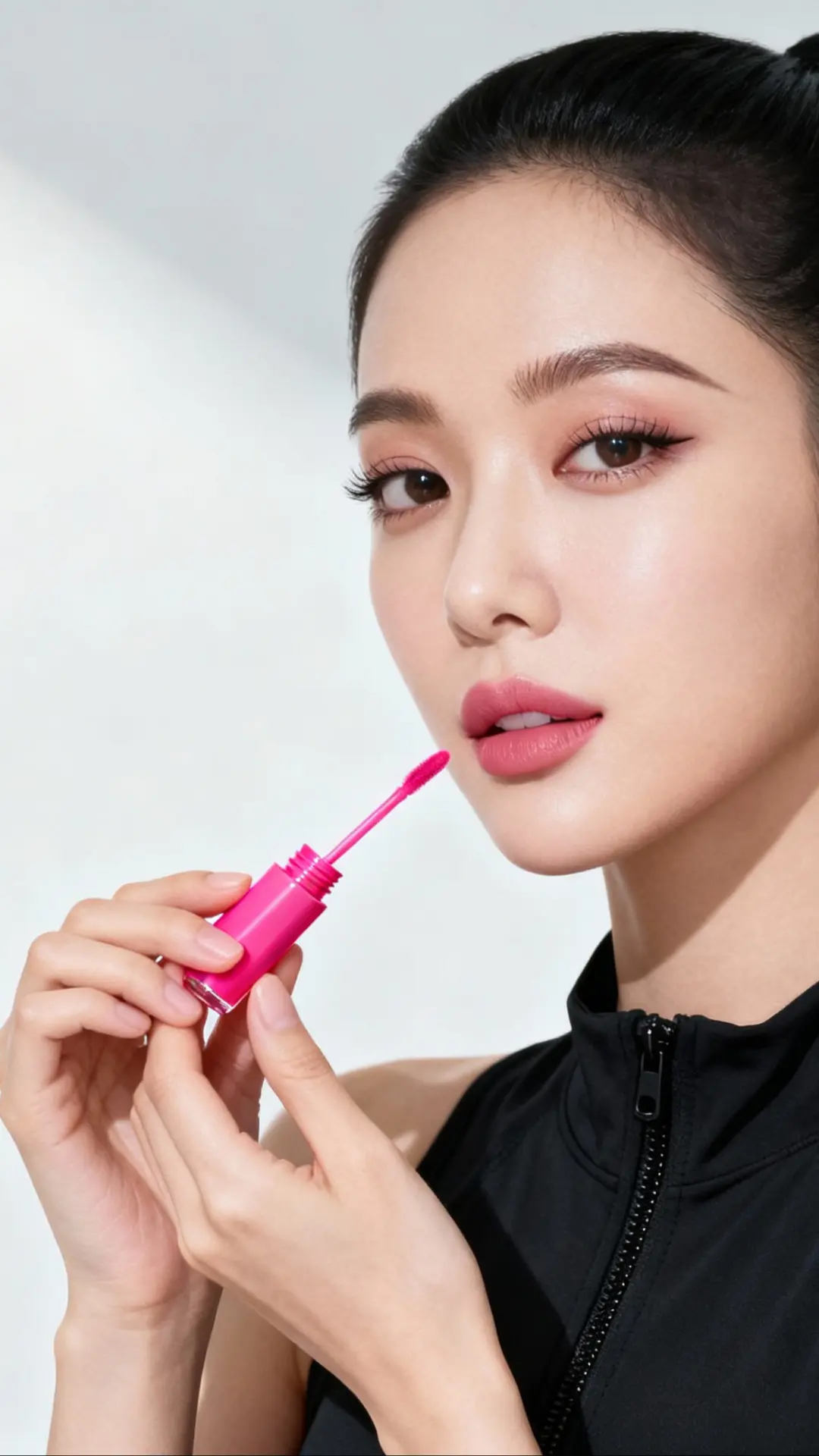
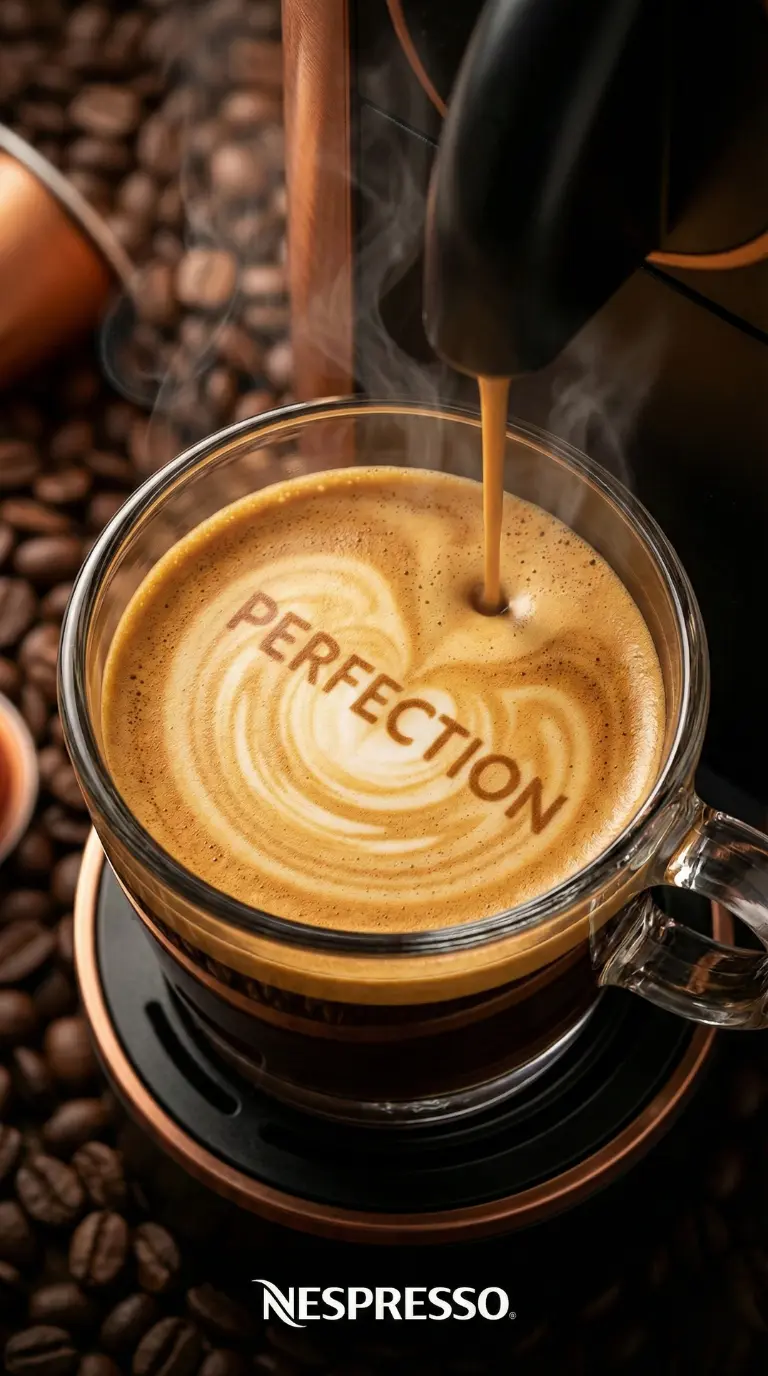
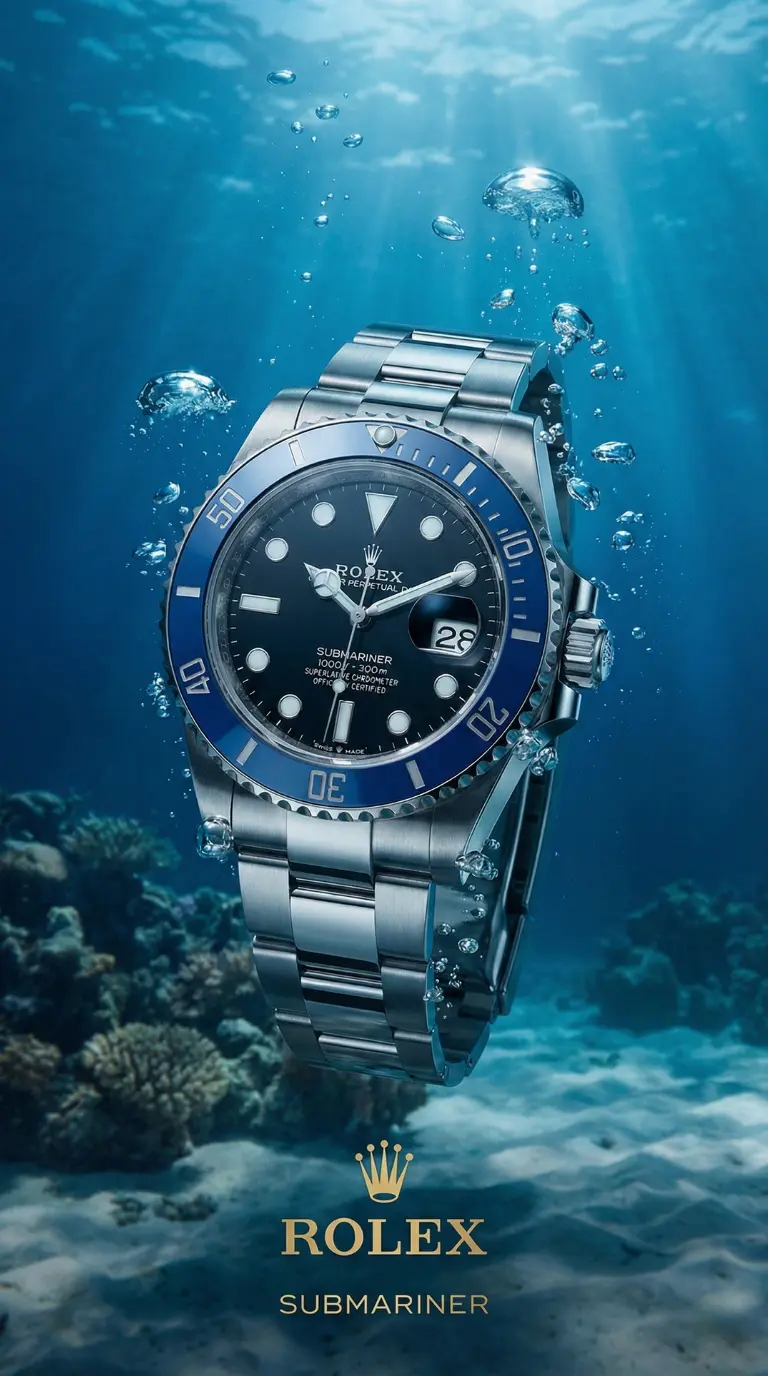
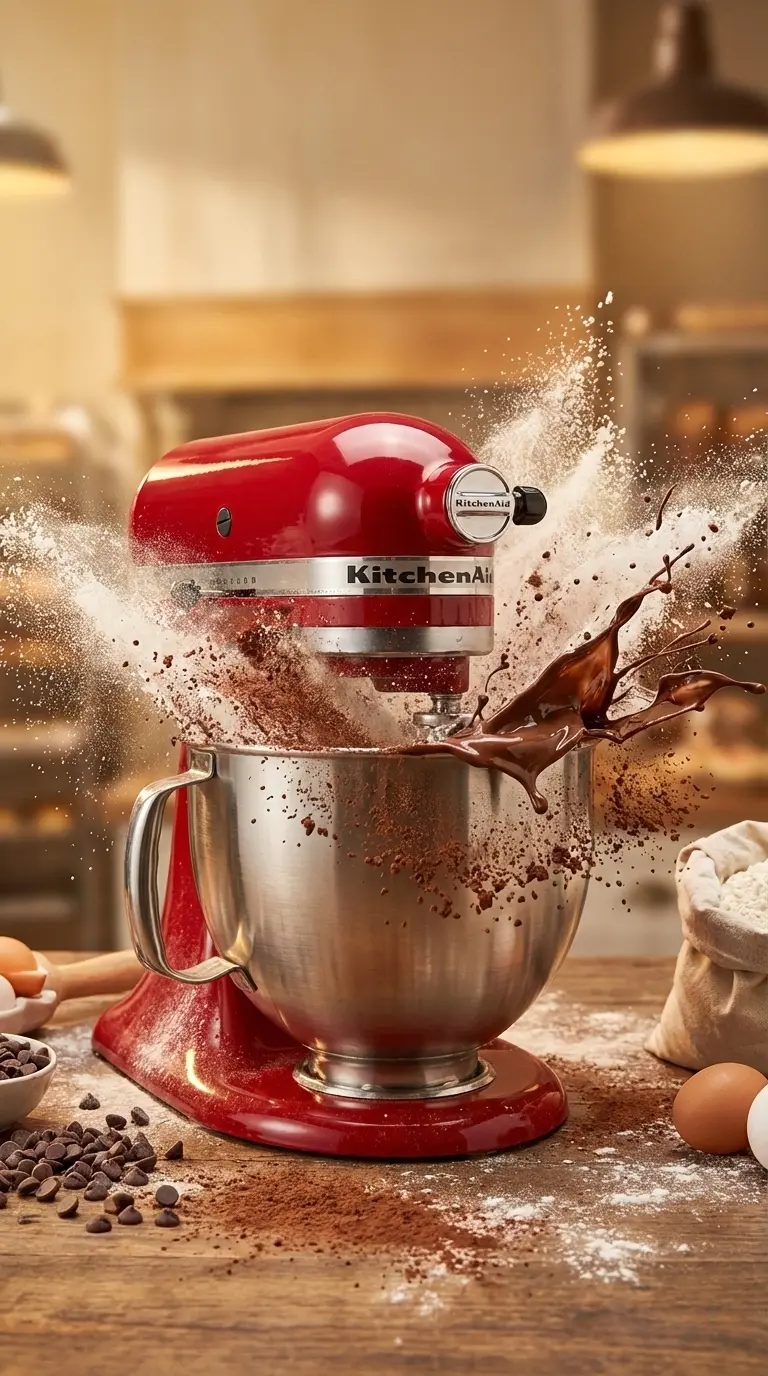
Scenes generated in Logicive from single product photos.
What you get.
- Input
- One sharp, evenly lit photo, or a product page link the photos already live on
- Resolution
- Up to 4K, large enough for product pages, marketplaces and print-adjacent use
- Shape
- 9:16, 1:1 and 16:9 as standard, with 3:2, 2:3, 4:3 and 3:4 available on some models
- Per run
- A set of scenes rather than one image, so you choose instead of accepting
- Uses
- Ads, product pages, marketplace listings and email. You own every file
How it works.
Give it one honest photo
Sharp, evenly lit, label readable. The background does not matter; it is about to change anyway.
Describe the scene in a sentence
A place, a light, a mood: "on wet slate, morning sun, water beading on the glass".
Pick from a set
Generate several scenes of the same product and keep the ones that stop your own scroll.
Scenes you could not book
Marble counters, golden hour, macro texture: sets and lighting that would cost a day rate each, generated in minutes.
The product stays the point
Every scene is built around your real photos, and you approve each result before it ships anywhere.
From photo to campaign
The same photo that makes your product page look expensive feeds the ads, the video and the plan.
The honest answers.
Do I need professional photos to start?
No. One clear phone photo works: sharp, decent light, the label readable. Studio quality is the output, not the requirement.
What resolution do I get?
Up to 4K, which holds up on product pages, marketplaces and print-adjacent uses alike.
Does my product stay accurate?
The scene is generated around your real photos, and nothing goes anywhere without your approval. If a render misses, you regenerate instead of paying a reshoot.
Can I use these images on my product pages, not just in ads?
Yes, and it is usually the cheapest conversion work available once the creative exists. An ad that promises a beautifully lit product and lands on a dim photo breaks its own promise at the worst moment. The only rule is that the scene has to stay an honest representation of what arrives in the box.
Will it replace my photographer?
For scene-building around a product you already own, in volume, it does the job at a fraction of the cost. For a look built on one photographer's eye, that eye is the product and you should keep paying for it. Most stores need far more of the first thing than they can afford to buy as the second.
What kinds of products does it struggle with?
Anything where fine detail is the whole point and the source photo does not show it: engraved text, delicate jewellery settings, fabric weave shot from too far away. The fix is almost always a better starting photo rather than a better prompt, because no scene can add detail the camera never captured.
Keep reading
Try it on your own product.
Paste a product link, and your first ads are minutes away. Cancel anytime.